Historical Background
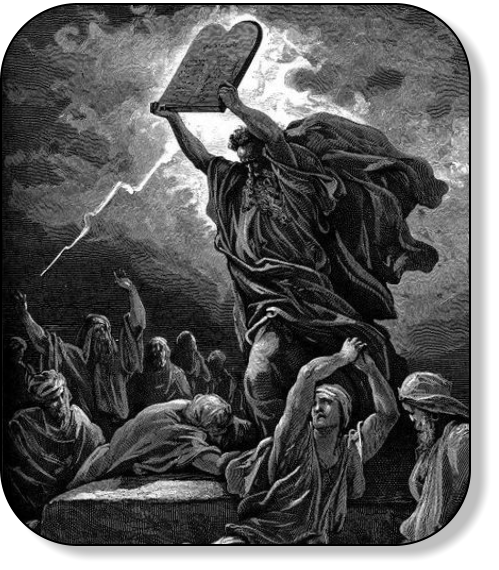
Moses in History
From the Exodus to the White House — how one ancient figure shaped the Founding Fathers, the Constitution, the Civil War, and the Civil Rights movement.
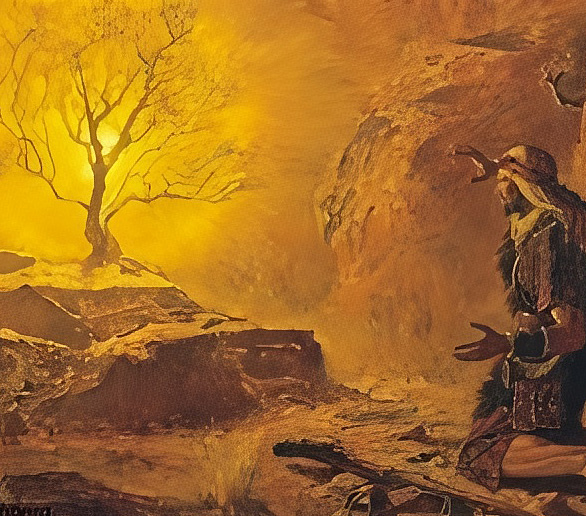
3,500 Years of Influence
From the Exodus to the White House — how one ancient figure shaped the Founding Fathers, the Constitution, the Civil War, and the Civil Rights movement.
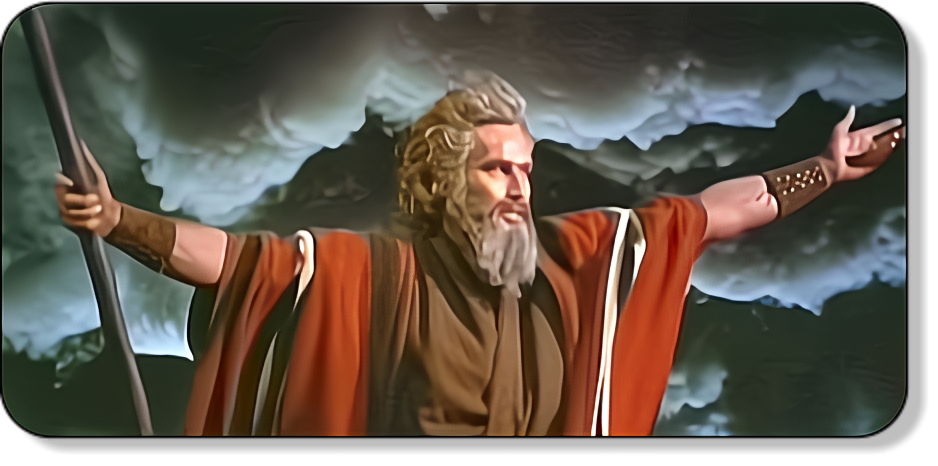
The Central Question
Moses has been referenced by America's greatest leaders throughout history — from the Pilgrims crossing the Atlantic to modern presidents addressing the nation.
What does a man who lived 3,500 years ago have in common with the United States? This site explores that question across eight chapters of American history, with every claim fully referenced.
Read the introduction → 250 years later: the epilogue →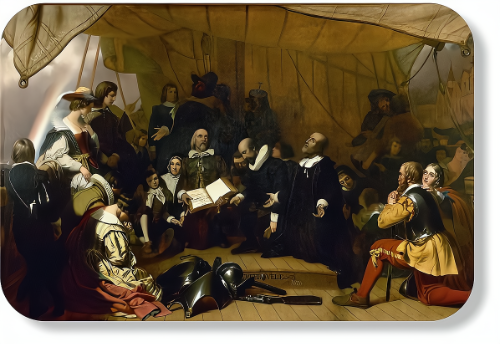
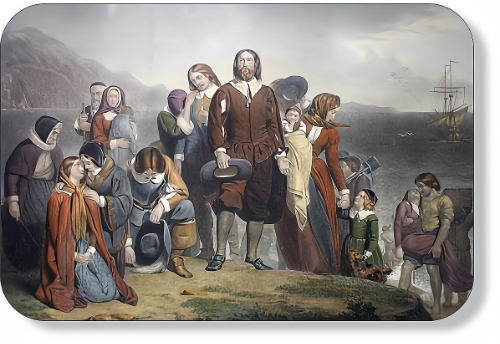
The Pilgrims saw themselves as a "New Israel," their voyage as a new Exodus, and their leaders as new Moseses guiding them to a promised land.
Read more →
Two thirds of Washington's eulogies called him "America's Moses." Franklin, Adams, and Jefferson all drew directly on the Moses story when building the new republic.
Read more →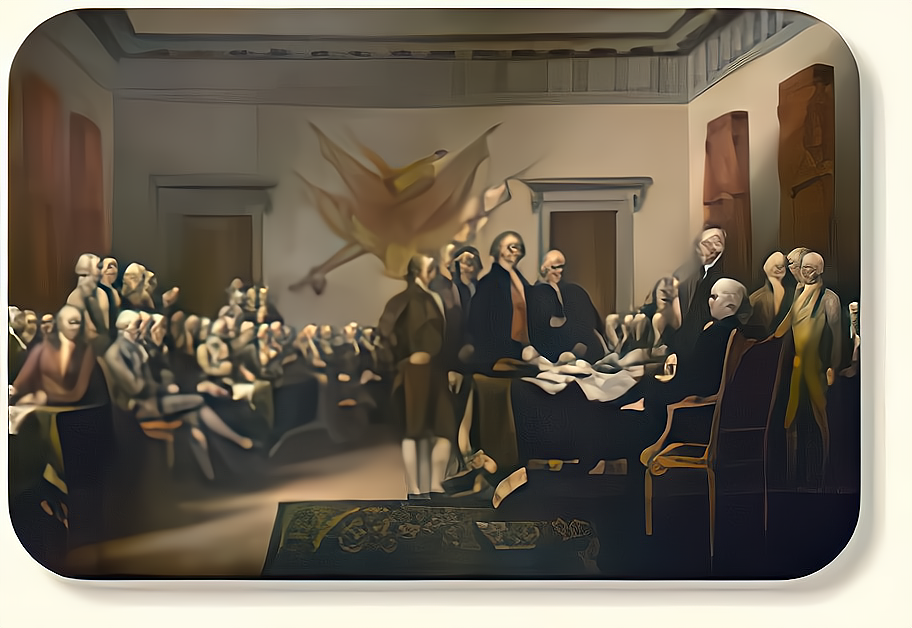
On July 4, 1776, Congress commissioned a national seal. Franklin proposed Moses parting the Red Sea; Jefferson, the Israelites led by a pillar of fire.
Read more →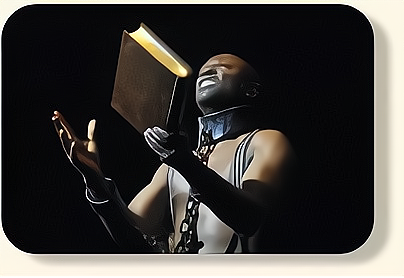
Harriet Tubman was called "A Moses of her people." After Lincoln's assassination, he was widely eulogized as a second Moses and liberator.
Read more →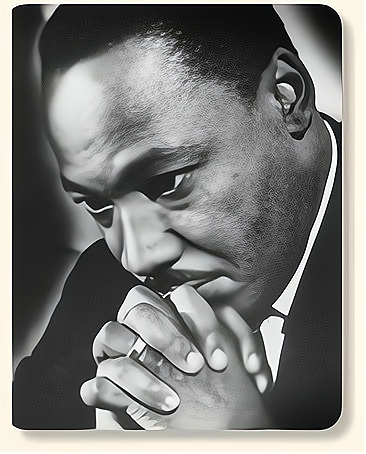
MLK used the Exodus story throughout his career, from Montgomery in 1957 to his final "Mountaintop" speech the night before his assassination.
Read more →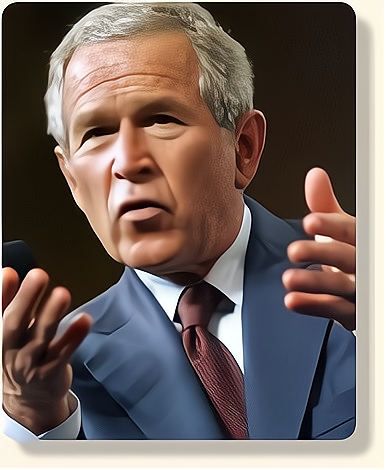
Truman, Carter, Reagan, Clinton, Bush, and Obama all invoked the Moses symbol. Obama hailed the civil rights leaders as "the Moses generation."
Read more →On the nation's 250th anniversary, follow the Exodus thread from the Pilgrims and the Great Seal to Tubman, Lincoln, and King.
Portrait
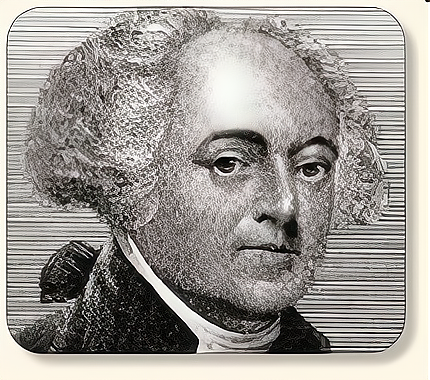
John Adams — 2nd President
As much as I love, esteem, and admire the Greeks, I believe the Hebrews have done more to enlighten and civilize the world. Moses did more than all their legislators and philosophers.John Adams · Private letter, 1809
A Timeline